04 / INGREDIENT REFERENCE
Cheese is a family, not one flavour
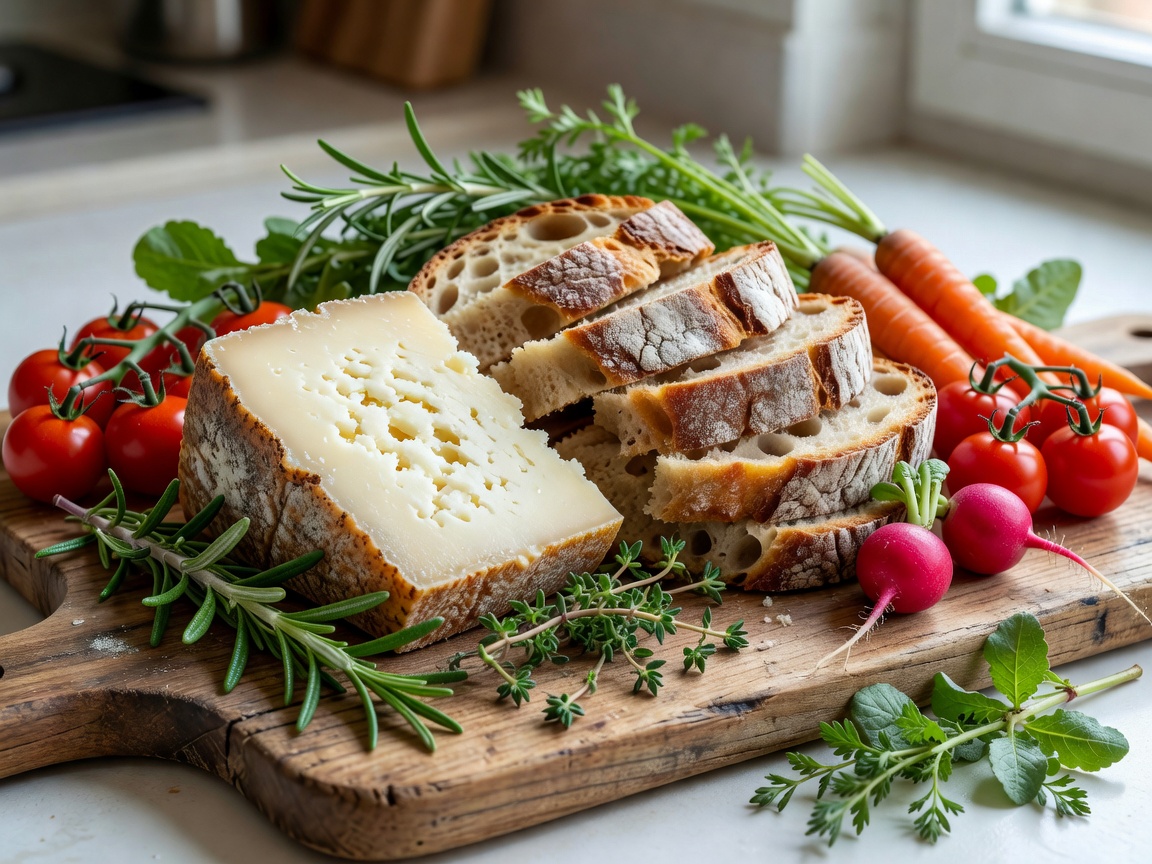
Mountain cheese can mean many products: fresh or matured, soft or firm, mild or assertive. Milk type and cheesemaking method affect the result. Cow’s milk is common in familiar Alpine cheeses; goat’s and sheep’s milk are also used in regional dairy traditions. A menu that names a cheese gives more information than the phrase “local cheese” alone.
Cheese has different kitchen roles. A firm cheese may be grated or sliced. A cheese that melts smoothly can suit fondue or a baked dish. A varied board lets diners compare textures and ages without cooking. These are broad culinary uses, not guarantees; the individual cheese and recipe matter.
Dairy beyond cheese
Milk can be used fresh, cultured or processed. Cream adds richness and can help form a sauce or baked mixture. Butter is used in cooking, baking and finishing. Local terminology may refer to a particular dairy product or preparation, so ask for an explanation if a menu term is unfamiliar. Do not assume a dish is suitable for a dietary requirement simply because its main ingredient is cheese.
Ingredient → common use → regional context
| Ingredient | Common use | Regional context |
|---|---|---|
| Mountain cheese | Fondue, gratins, dumplings, pasta or tasting boards | Style and name depend on local production and tradition |
| Milk, cream, butter | Sauces, doughs, cooking fat and dairy preparations | Use reflects local livestock, processing and household practice |
| Potatoes | Boiled sides, baked dishes and accompaniments to melted cheese | Common across many mountain cuisines; recipes differ |
| Rye bread | Table bread, soup accompaniment or cheese partner | Rye breads occur in several Alpine and neighbouring areas |
| Wheat bread | Fondue dipping, table service and sandwiches | Shape and style vary with local baking customs |
| Herbs | Seasoning, garnish, butter or cheese preparations | Use depends on local cultivation, gathering and taste |
| Mushrooms | Sauces, fillings, pasta and seasonal plates | Availability and menus vary with season and location |
| Onions and garlic | Base for cooked dishes, toppings and flavour | Used across many cuisines; not an exclusive regional marker |
| Seasonal vegetables | Sides, soups, fillings and composed plates | Selection follows local supply and restaurant sourcing |
| Apples and berries | Desserts, preserves or sweet-savoury accompaniments | Fresh and preserved forms vary by season and place |
| Cured meats | Boards, starters and hearty accompaniments | Methods and products differ across valleys and borders |
Bread, potatoes and texture
Bread provides a firm vehicle for dipping or tasting. Wheat bread is common at fondue tables because it can be cut into pieces and held on a fork. Rye bread, made wholly or partly with rye flour, often has a denser crumb and a more pronounced flavour. Both are broad categories, not single regional recipes.
Potatoes bring a soft, mild counterpart to melted cheese. They can be boiled, baked or incorporated into a larger dish. Some menus list them beside raclette-style service; others use them in gratins or pasta dishes. Ask whether they are part of the set meal or an optional side.
Herbs, mushrooms and seasonal produce
Herbs contribute aroma and can be mixed into butter, sauces or cheese preparations. Mushrooms bring an earthy flavour and may feature in a seasonal sauce or filling. Onion and garlic often build the base of a cooked dish. The exact mix is a kitchen choice, not a defining Alpine formula.
Seasonal vegetables can lighten a meal built around dairy. Apples and berries may appear fresh, cooked or preserved, including as a contrast on a cheese board. Cured meats add a savoury option but are not required for a regional table. Menus change, and availability depends on place, season and the restaurant’s sourcing.
Build a balanced table
Think in roles. Choose a principal cheese or dish; add a neutral base such as bread or potatoes; include something sharp or acidic, such as pickled vegetables where offered; then look for vegetables, fruit or herbs. A restaurant may serve these as a set or allow separate ordering. Ask about ingredients and portion format rather than assuming every accompaniment is included.
For dietary planning, identify the full preparation. A vegetable dish may contain butter, cream or stock. A cheese preparation may include wine or meat. Cured meat may be served separately but share equipment. Give the restaurant specific information about allergies and requirements before ordering.
Good for
- Readers trying to interpret menu ingredients.
- Diners planning a shared meal with different preferences.
- Travellers comparing local staples and seasonal additions.
What to know
- Ingredient combinations vary by restaurant and region.
- Rye bread means bread made with rye flour; it is not one fixed loaf.
- Seasonal wording does not guarantee a particular ingredient is available.
- Ask directly about cross-contact and preparation when allergies matter.
For complete dish formats, read mountain cheese dishes. For destination decisions, use the mountain food trip planner.