05 / TRAVEL OPERATIONS
1. Choose a food region
Begin with the kind of meal you want, then choose a region that makes the journey workable. A fondue-focused evening, a regional lunch during a walk and a multi-stop cheese itinerary have different transport and time needs. Use the regional guide to identify broad food areas, then narrow the search to a valley, town or base with realistic access.
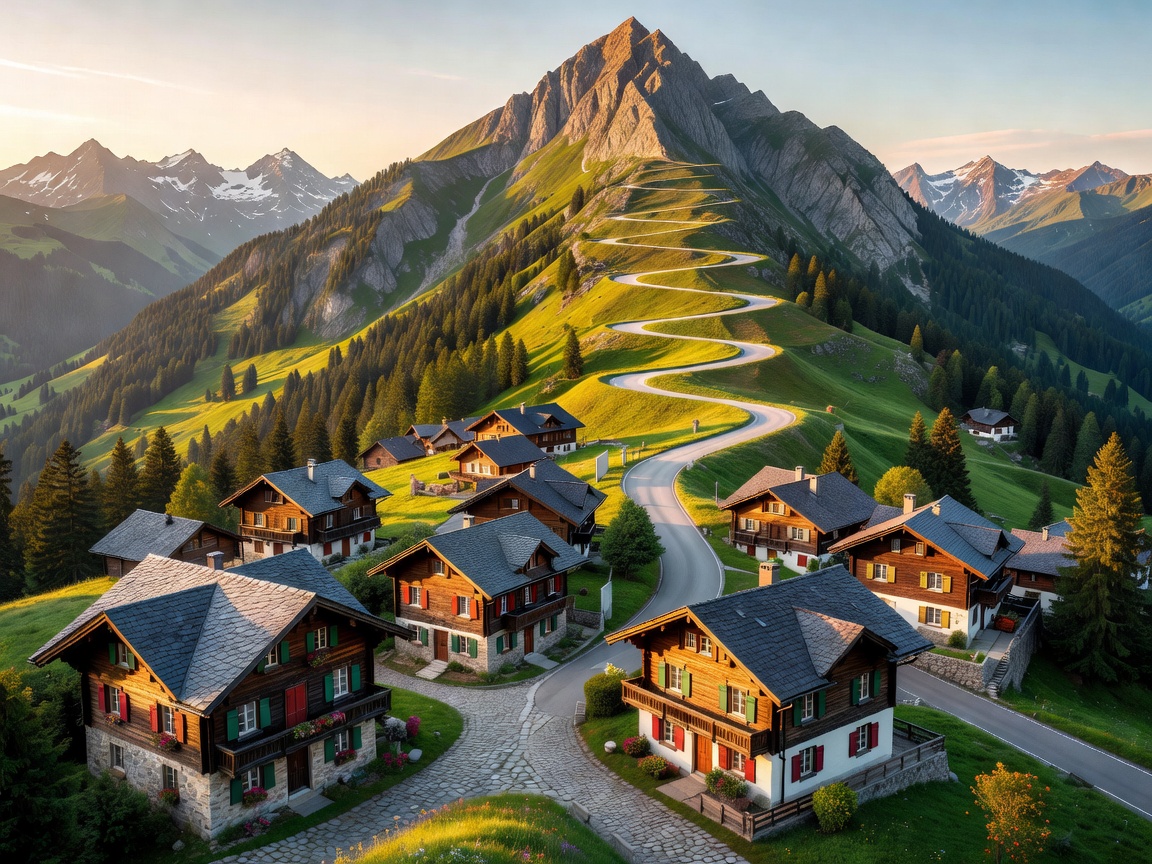
Compare travel time, altitude, public transport connections and the distance between lodging and dining. A restaurant described as “mountain” may be in a village, beside a road or reached by a trail. Read the route information; do not infer access from a scenic image.
2. Research restaurants by format
Look at the menu before choosing a venue. Is the meal built around a shared fondue pot, raclette-style service, individual regional plates or a broad menu? Match the format to your group. Shared dining can suit a party that wants one common meal, while individual dishes may give diners more choice.
Check current information directly with the venue. Confirm whether the dining room is open to day visitors, whether a reservation is recommended or required, and whether the listed menu applies to your date. This guide does not report current opening hours, prices or availability. Those details can change.
3. Plan for season and weather
Mountain access and restaurant operations can vary by season. Weather, road conditions, public transport schedules, trail conditions and local operating periods may affect a plan. Check relevant local transport and route information close to travel. Leave an alternative meal or route in the itinerary if conditions change.
Do not assume a summer pasture restaurant is open in winter, or that a winter dining room operates in warmer months. A seasonal menu may also reflect ingredients available at a particular time. Ask the restaurant what it expects to serve for your visit rather than relying on an old menu photograph.
4. Set a budget category
Use categories to compare likely trip styles rather than treating them as price quotations:
- Lower: simple cafés, casual inns, bakery stops or a modest meal with limited courses.
- Moderate: a sit-down regional meal with drinks or a shared dish.
- Higher: destination dining, multi-course service or a meal involving additional transport and lodging.
These are planning labels, not current price bands. Check actual menus, service charges, transport costs and booking terms before committing. Travel distance and accommodation can matter more than the meal alone.
5. Confirm dietary requirements and allergies
Contact the restaurant with specific requirements. Explain allergies clearly, including whether cross-contact is a concern. Cheese dishes can contain wine, cream, stock, meat or other ingredients; bread and accompaniments may have separate ingredients. A vegetarian label does not explain every preparation, and shared equipment can matter.
Ask about children, high chairs, group size, seating and accessible facilities where relevant. “Accessible” can refer to step-free entry, a toilet, room layout or the route to the building. Request details that match your needs. Do not assume a mountain venue has the same access as a town restaurant.
6. Read local menu language
Menu words can describe a dish, an ingredient or a service style. Fondue usually means melted cheese served in a shared pot. Raclette can refer to a cheese or the serving method of melted cheese scraped onto accompaniments. A gratin is baked with a browned top. A dumpling is a shaped dough preparation that may include or be topped with cheese. Local names and recipes vary.
Save a short translation list, but use the restaurant’s description as the final guide. If a menu is unclear, ask what the dish contains and how it is served. This is especially useful for shared cookware and set menus.
7. Combine food with an activity
Pair a meal with a walk, village visit, museum or scenic route only when the travel time works. Check the activity’s distance, difficulty, seasonal status and return transport. Keep weather and daylight in the plan. A long outing before a fixed dining reservation can create avoidable pressure; allow a buffer.
For a food-focused day, one main meal and one smaller tasting stop can be easier to manage than multiple reservations. Confirm whether venues are close enough to connect without a car. Avoid assuming that a route shown on a map is suitable in current conditions.
Planning comparison
| Trip type | Best first check | Potential constraint |
|---|---|---|
| Village meal | Menu, seating and local transit | Limited service days or booking conditions |
| Mountain inn | Route access and visitor dining rules | Weather, seasonal access and return journey |
| Food-focused weekend | Accommodation, meal timing and transport links | Multiple reservations and changing schedules |
Good for
- Travellers building a meal into a wider mountain itinerary.
- Groups coordinating different dietary, mobility or family needs.
- Visitors comparing casual, moderate and destination-style plans.
What to know
- Verify current details with restaurants and transport providers.
- Keep a weather-safe alternative for mountain routes.
- Give restaurants clear allergy information before arrival.
- Budget categories here are comparative, not live prices.
Choose a format with the restaurant guide, then use the regional guide to frame the food geography.